
Vintage and mid-century finds, hand-picked in South Wales
How a small island in the Venetian lagoon became a byword for glass, and what to look for in a vintage piece.
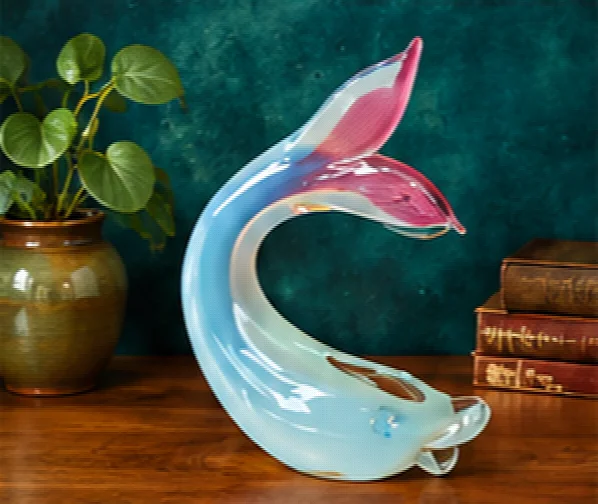
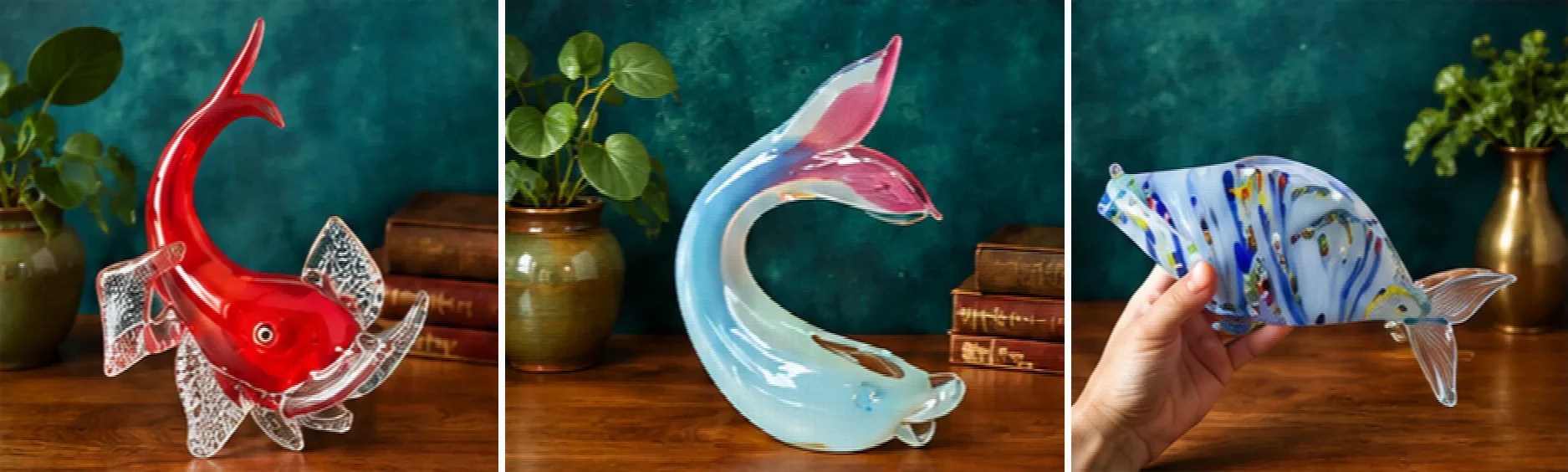
For more than seven hundred years, a small island in the Venetian lagoon has been home to some of the world’s finest glassmakers. Here is how Murano became a byword for glass, and what to look for in a vintage piece.
In 1291 the Republic of Venice ordered its glassmakers to move their furnaces to Murano, an island about a mile and a half across the lagoon. The city was built largely of wood, and the furnaces were a constant fire risk. Moving them also made it easier to guard the industry’s secrets. Glassmakers were forbidden to leave the Republic, although some did, carrying their skills to other parts of Europe.
For centuries Murano led Europe in glass. Its craftsmen developed or perfected clear crystal glass, enamelled glass, lattimo (milk-white glass made to look like porcelain), aventurine with its glittering flecks, and the patterned canes known as millefiori, or “a thousand flowers”.
In the twentieth century, a new generation of designers and master blowers turned Murano’s old skills to modern forms.
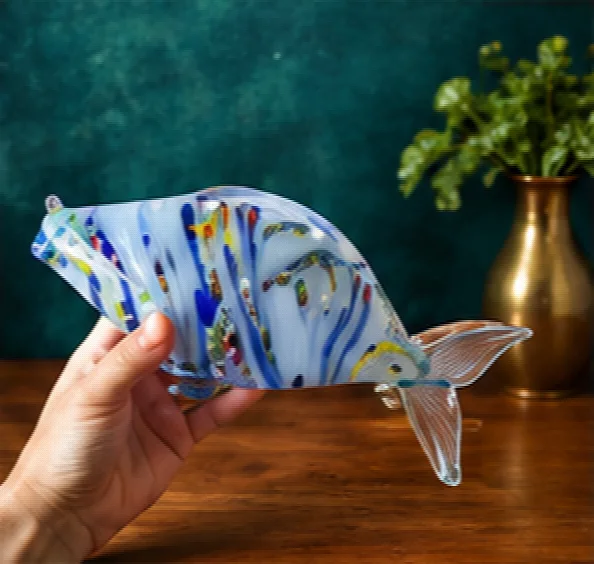
Animals, and fish above all, became some of Murano’s best-loved pieces in the 1950s and 1960s. Look out for:
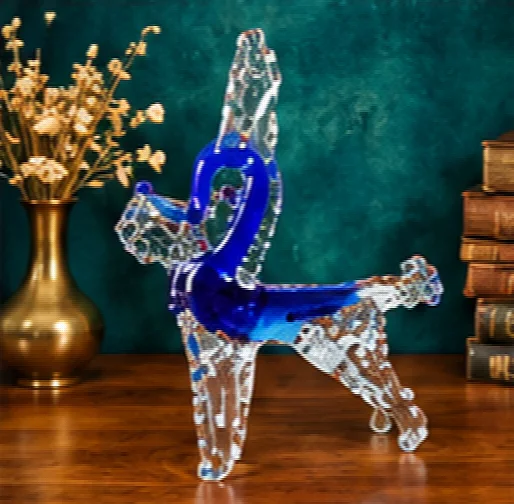
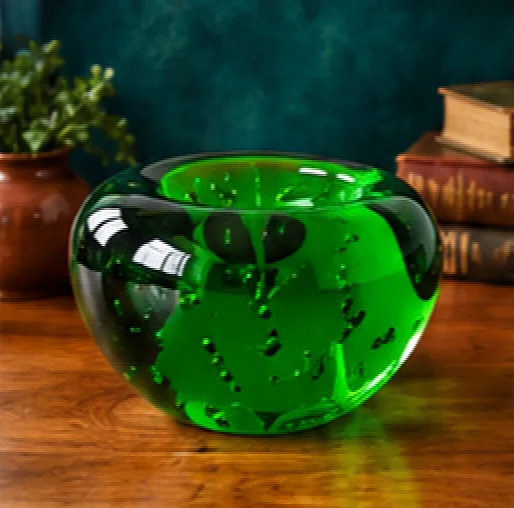
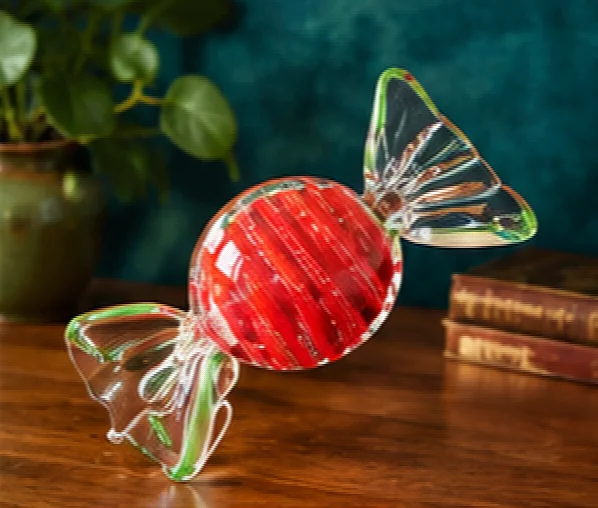
Murano’s fame has inspired a huge number of imitations, and experts estimate they make up a large share of glass sold as “Murano”. Since 1994, genuine glass from the island can carry the official “Vetro Artistico Murano” trademark, but most older pieces carry no mark at all. That is why, when we are confident a piece was made on the island, we say so, and when we are not, we describe it as “Murano style”. We never guess at a maker’s name we cannot support.
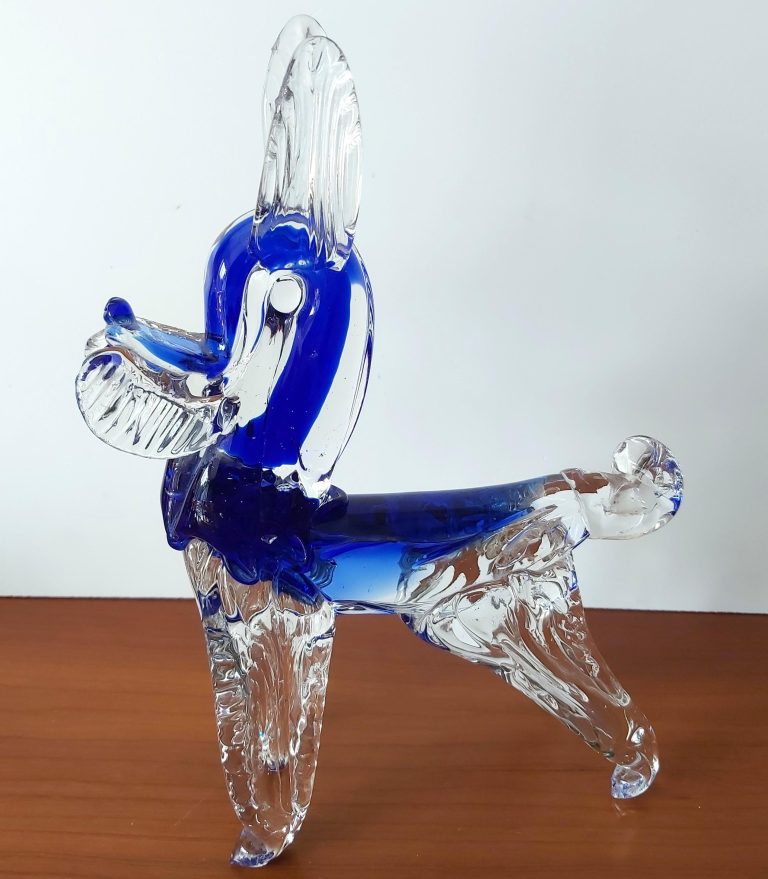
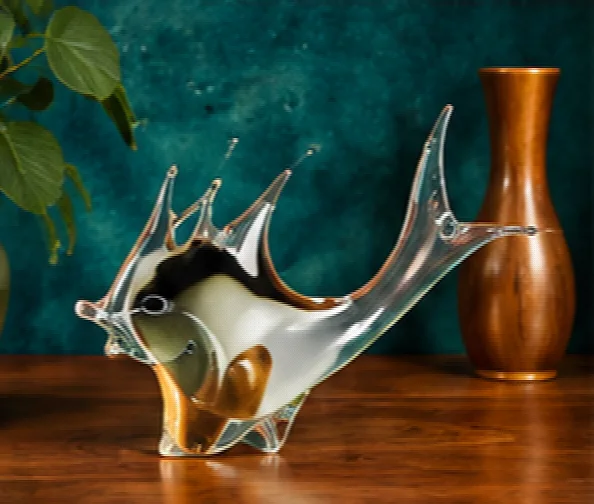
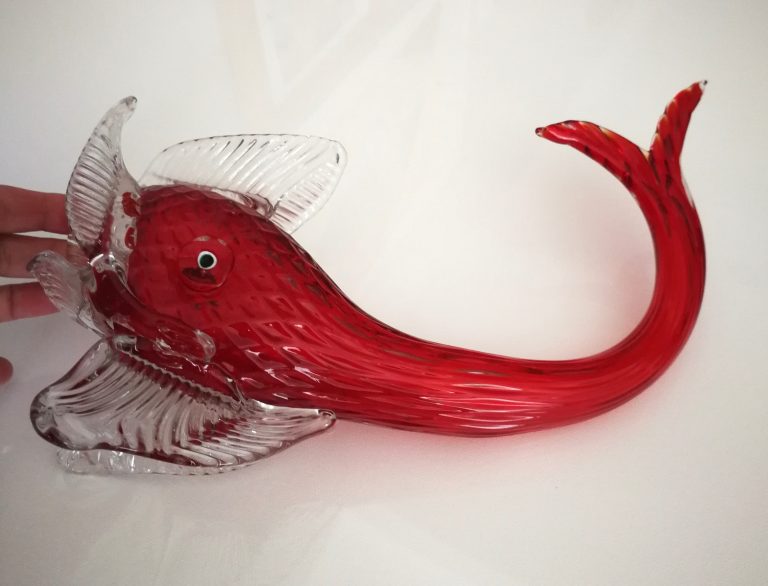
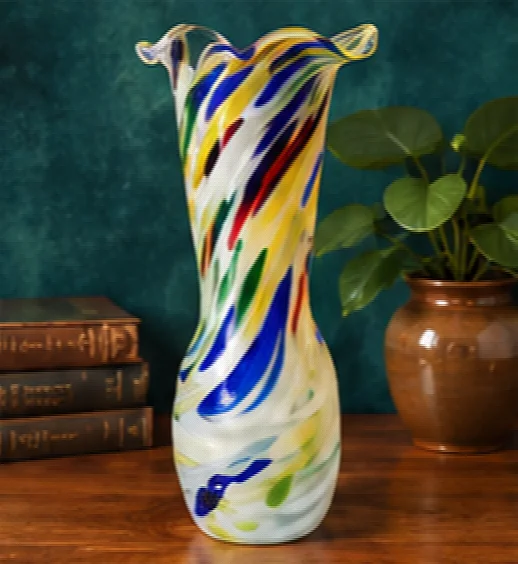
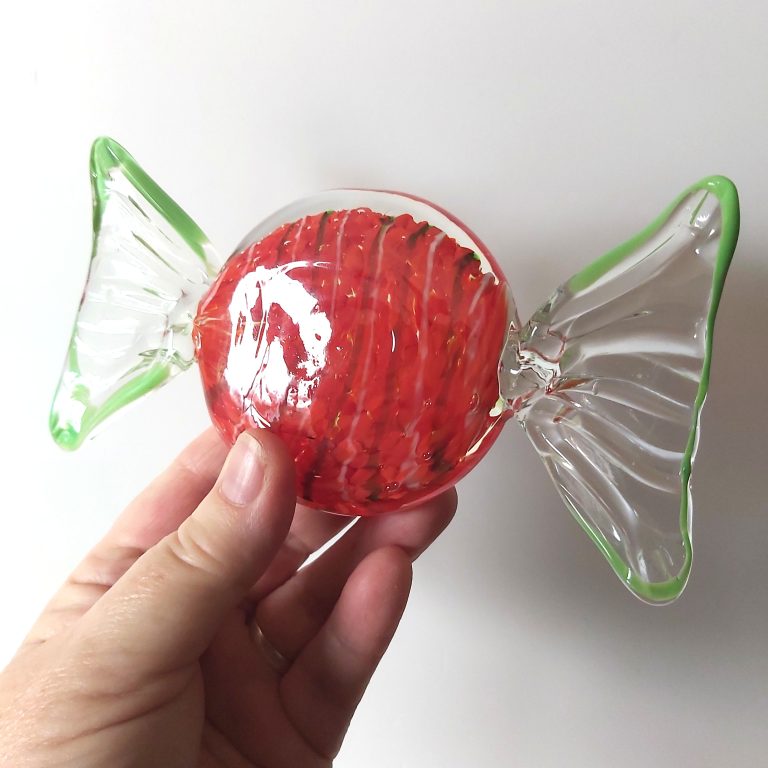
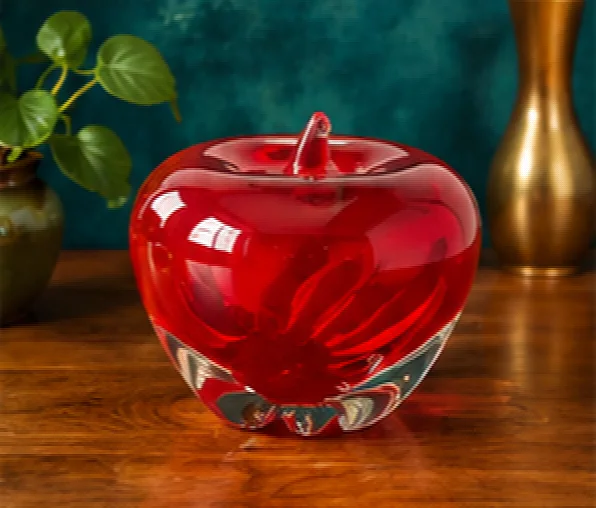
A selection of our vintage Murano glass:
Sources: Wikipedia: Murano; Wikipedia: Venetian glass; The Metropolitan Museum of Art; Quittenbaum: Archimede Seguso.
Love these finds?
Keep it for later, or share it with a fellow collector.
